How To Choose A High-Quality Keg Coupler Gasket
Kegerator Coupler Parts: Important Components for Your Home Keg
Ever notice your draft beer pouring foamy or completely flat and wonder why? The answer is hidden in the small yet powerful parts that connect your keg to the tap. With an improper setup, even the finest brew can quickly lose its clean taste and proper carbonation.
At Installation Parts Supply, we know that a smooth pour starts with well-made corny keg parts diagram hardware. Whether you’re a homebrewing enthusiast or just love fresh draft beer, understanding these pieces ensures every glass is served just right.
From small washers to gas lines, every part helps maintain proper pressure and flavour. More than 90% of dispensing problems can be linked to worn-out or mismatched parts. A little knowledge goes a long way in keeping your system running flawlessly.
- Choosing the correct coupler guarantees ideal beer flow and taste.
- For draft systems, Installation Parts Supply supplies trustworthy plumbing solutions.
- Carrying out regular maintenance stops typical pouring problems before they start.
- Different kinds of beer often call for particular coupler designs.
- Most draft system breakdowns are caused by coupler-related faults.
Kegerator Coupler: What Is It?
A perfect draft pour begins with the correct connection between your keg and the tap. A keg coupler bridges your CO2 tank or nitrogen tank to the beer hose, using compressed gas to push liquid smoothly to your beer taps. Think of it as the engine of your kegerator draft system—without it, nothing flows.
This small device has two jobs: it delivers gas to pressurize the keg and controls beer output. Inside the body, there is a probe, a check valve, and individual ports for gas and beer. Each component helps keep your beer carbonated and pouring with minimal foam.
| Component | Role | Common Issues |
|---|---|---|
| Probe | Pierces the keg seal | Misalignment causes leaks |
| Check Valve | Stops backflow | Worn valves can lead to flat beer |
| Gas and Beer Ports | Connect to gas and beer lines | Loose fittings create foam |
Improperly attaching the coupler is a classic rookie mistake—three out of four new users do it. The result? Foamy messes, leaks, or worse, spoiled beer. To help you set things up properly, Installation Parts Supply includes compatibility charts and step-by-step video guides.
Even though universal-style couplers function similarly, you should always match the model to your keg type. A mismatched connection not only ruins the beer but may also harm your equipment.
Types of Keg Couplers and Their Uses
Not all keg connections are created equal—some are designed for specific brews. When you pair the right coupler with the right beer, you maintain ideal carbonation and flavour. Here is how to choose the best match.
This style is the standard choice for about 85% of North American craft beers. Its single-valve design locks securely onto most domestic kegs. Helpful tip: Look along the side for the Sankey marking.
U System Coupler
Recognizable by its harp logo, this type is a must for nitro beers like Guinness. It relies on a special gas mix (about 75% nitrogen) to form that creamy head. Do not force a U coupler onto a standard keg—it simply will not seal.
S System (European Sankey) Coupler
Heineken and many other European imports require this reverse-thread style. The left-hand thread design stops mix-ups with D Systems. Interesting fact: It stands slightly higher than the American version.
A, G, and M System Couplers
Beers from Germany and the UK often need specific connector types:
- A System: Slides easily onto Warsteiner or Paulaner kegs. The “slider” mechanism is foolproof.
- G-Style: Uses a tri-flat stem that fits Bass and Boddingtons. This coupler is a staple in many UK pubs.
- M-Style: Designed to lock firmly onto Schneider Weisse kegs. You will hear a slide-lock click once it is secure.
Installation Parts Supply color-codes their compatibility guides—green for D, black for U, blue for S. One Midwest microbrewery saved around $3,000 per year after switching to the correct couplers. Remember, genuine compatibility is always better than generic “universal” claims.
Essential Kegerator Coupler Parts and Their Functions
Behind each smooth pour is a collection of precisely engineered parts. These small yet powerful pieces keep your beer carbonated and flowing smoothly. Let’s go through the main hardware that keeps your system running well.
Probe and Check Valve
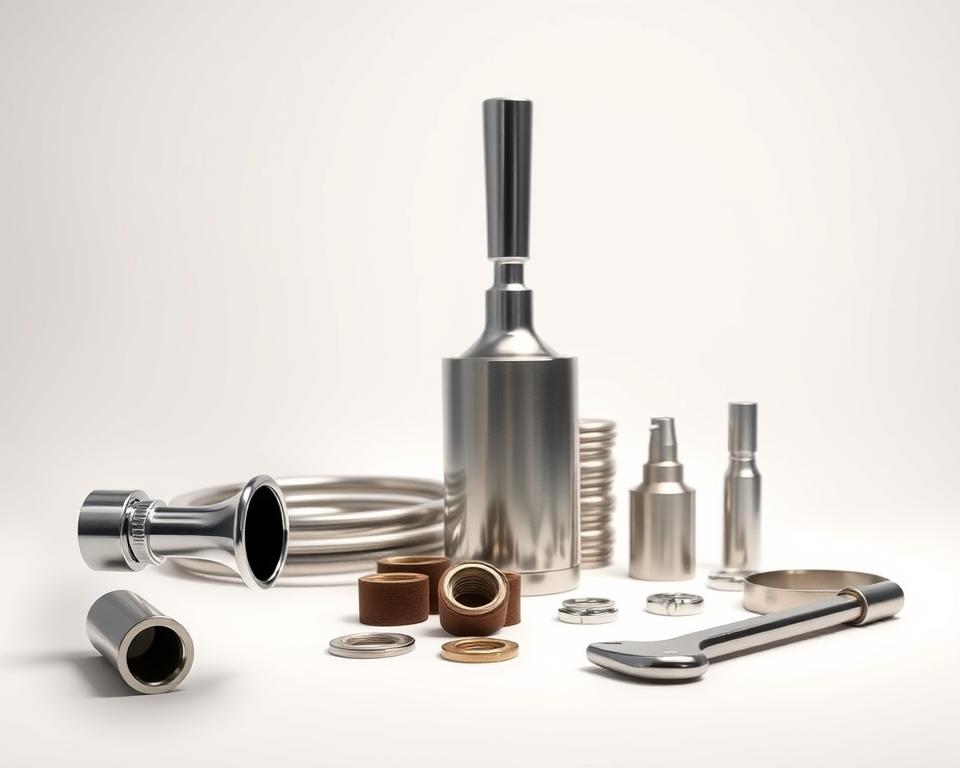
The stainless steel probe pierces the keg’s seal, controlling beer flow. Higher-end models can last three times longer than budget options. Beneath it, the check valve stops backflow—one of Installation Parts Supply’s most frequently replaced items.
Hex Nuts and Washers
A tight seal starts with the hex nut. Brass works well on a budget, whereas stainless steel holds up longer against corrosion. Pair it with nitrile washers for cold temperatures—EPDM rubber cracks faster below 40°F.
| Component | Material | Key Benefit |
|---|---|---|
| Probe | Stainless Steel | Resists wear |
| Check-Valve | Food-grade plastic | Helps prevent flat beer |
| Hex Coupling Nut | Brass/Stainless | Balances cost/durability |
Gas and Liquid Ports
The gas port handles 20–30 PSI for CO₂ or nitrogen. Using the wrong pressure setting leads to excess foam. For liquid ports, 3/16″ ID tubing is ideal—1/4″ hose often increases turbulence. Maintenance is simpler when you use rebuild kits that include FDA-rated seals.
Pro Tip: Replace O-rings every six months or roughly every 50 kegs. Spending a few dollars on a washer is far better than a $150 coupler failure.
How to Set Up Your Kegerator Coupler
Dialling in your draft system correctly gives you perfect pours again and again. Correct installation stops foam, leaks, and flat, lifeless beer. Follow these simple steps to complete your connections cleanly.
How to Connect the Coupler to the Keg
Begin by raising the handle and aligning the coupler lugs with the slots on the keg. Rotate clockwise to tighten until snug, but avoid over-tightening to protect the seal. Low-profile couplers cut overall height by about 4–5 inches for narrow spaces.
With Installation Parts Supply’s torque wrench, hex nuts can be set accurately to 8–10 ft-lbs. Probe misalignment is responsible for roughly 80% of leaks. Always use fresh washers to maintain pressure.
Connecting Gas and Beer Lines
Use 5/16″ MFL fittings to connect the gas hose to the coupler port. Apply thread sealant to prevent CO₂ leaks. For beer lines, 10–12 feet of 3/16″ tubing gives a good pressure balance.
| Step | Recommended Tool | Tip |
|---|---|---|
| Gas Connection | Thread Sealant | Pressurise to 30 PSI and look for bubbles |
| Beer Line | Tubing Cutter | Keep ends square for seals |
| System Pressure Test | Leak detector | Check for 24 hours |
Advanced systems integrate mobile apps for real-time pressure monitoring. One Denver brewery reduced foam waste by 40% after installing quick-connects from Installation Parts Supply. Always shut off CO₂ if major leaks occur.
How to Troubleshoot Common Coupler Issues
Nothing spoils a cold pint more quickly than foam shooting everywhere. Most pouring issues come from simple causes once you know what to check. Let’s tackle the frequent headaches and their solutions.
Foam and Leak Problems
Foam accounts for 68% of draft system complaints. First, confirm that the temperature is around 38°F for most ales. Too warm, and CO₂ escapes too fast.
Next, inspect your beer line connections. A soapy water solution reveals gas leaks through bubbles. Tighten loose fittings gently with a wrench, avoiding over-tightening.
- Check-ball failure causes intermittent flow—listen for hissing sounds
- Suspect a pressure imbalance? Match your gauge reading to this chart:
| Type of Beer | CO2 PSI | Nitrogen Mix |
|---|---|---|
| Lagers | 10-12 | Not Applicable |
| Stouts | 25-30 | 75% nitrogen |
Loose or Poor Coupler Fit
When your coupler fits loosely, begin by inspecting the O-rings for wear. Installation Parts Supply reports this fixes 40% of attachment issues. If the coupler face is warped, it may need to be replaced.
On uneven surfaces, use keg shims. These inexpensive plastic wedges stabilize wobbling connections. In small coolers, low-profile models help fix height and clearance problems.
Pro Tip: Their emergency washer kit includes five essential seals. A Chicago bar cut waste by 18% after training staff on these quick fixes.
Remember, frost on your CO₂ tank usually signals overuse. Let the tank thaw out before you touch the pressure relief valves. Digital gauges should be calibrated yearly to stay accurate.
How to Clean and Maintain Your Keg Coupler
A clean draft system means crisp, fresh-tasting beer every pour. Over time, residue builds up, affecting flavor and dispensing performance. A straightforward cleaning routine keeps everything running well.
Disassembling and Soaking the Coupler
First, carefully take the coupler apart. Remove the handle, probe, and check valve. Place all parts into warm water containing 1 oz of PBW per gallon for about 15–20 minutes. This removes yeast and hop oils.
Installation Parts Supply’s brush set reaches tight spots. Pay extra attention to the ball valve—it’s a common hiding place for gunk. Rinse thoroughly to avoid soapy aftertastes.
Picking the Right Cleaning Solution
Many brewers favour PBW (Powdered Brewery Wash) due to its pH-balanced formula. Acid cleaners work faster but can damage rubber over time. For commercial setups, ultrasonic systems blast away debris with sound waves.
- Drying – Use compressed air or microfiber cloths. Moisture breeds mold.
- Sanitising – Follow FDA CFR 117 guidelines—30 seconds of contact time kills bacteria.
- Logs: Use a template to log every cleaning. Consistency in logging helps avoid missed cleanings.
UV light options add extra protection for rubber components. Always neutralise wastewater—PBW is alkaline and can harm pipes. With a bit of work, you’ll enjoy quality pours while extending the life of your system.
Final Thoughts
Mastering your draft beer system lets you enjoy crisp, fresh beer every time. Using the right hardware, keeping things clean, and setting everything up correctly make all the difference. With lifetime support and seasonal discounts on rebuild kits, Installation Parts Supply helps keep your pours consistently good.
Fun fact: Regular care can add as much as 7 extra years to your equipment’s life. Grab their free compatibility checklist or attend a brewmaster webinar to pick up expert tips. A brief yearly inspection helps ensure trouble-free operation—just ask customers who have been satisfied for 5 years.
Thinking about upgrading your system? Head over to Installation Parts Supply today and improve your home bar setup.