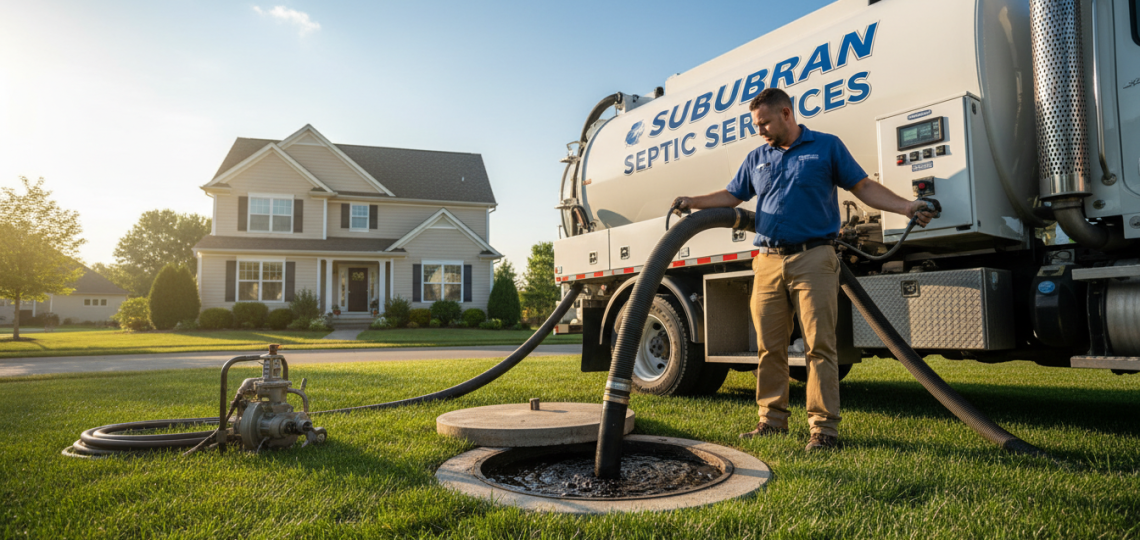
This Page About Septic Pumping Explains How To Spot Early Warning Signs
It is a fact that more than 60% of wastewater system breakdowns are caused by accumulated layers that property owners ignore? This hidden accumulation can result in expensive disasters no one wants to face.
According to this source about septic pumping

See details about septic pumping

Cited source about septic pumping
This guide explains all aspects of managing what collects in your subterranean waste unit. We will discuss why consistent pumping is essential for a sanitary household and surrounding ecosystem.
You’ll learn about the two primary forms of waste—solids and grease—that accumulate as time passes. Knowing about these levels enables you to stop plumbing disasters and protect your property.
- Regular maintenance prevents the majority of system failures and costly fixes.
- Two distinct layers, sludge and scum, gather and need management.
- Specialized evaluation by specialists like Septic Services of LA finds issues early.
- Proper household waste disposal habits significantly reduce buildup.
- Conserving water usage lowers strain on your entire plumbing network.
- Understanding the signs of trouble helps you call for service before emergencies happen.
- Preventative upkeep is consistently more affordable than fixing catastrophic failure.
Preface: Why Removing Sediment Is Crucial
The condition of your whole household plumbing network relies on what happens in that underground concrete or plastic container in your yard. This underground unit handles all wastewater from toilets, sinks, showers, and washing machines. A correctly working system is designed to be filled with water. If the liquid level falls, it could mean there’s a leak.
As wastewater flows in, treated liquid moves to the leach field. Beneficial bacteria in the ground finish the cleaning process. This eco-friendly system maintains your land and environment sanitary.
Managing sediment is more than just routine upkeep. It’s the foundation for your wastewater system’s long life. Without this care, you face the chance of system collapse requiring thousands of dollars to resolve.
Every underground processor accumulates two distinct layers. Heavy particles settles to create a heavy sludge zone. Lighter materials float up to form a top barrier.
Lacking consistent care, these layers increase in size. Ultimately, they hinder the unit’s ability to process and filter household wastewater properly. This disruption can lead to severe results.
Too much solid waste can escape into the drain field. This causes clogs that can cause household backups or yard surfacing. These events pose health hazards and property damage.
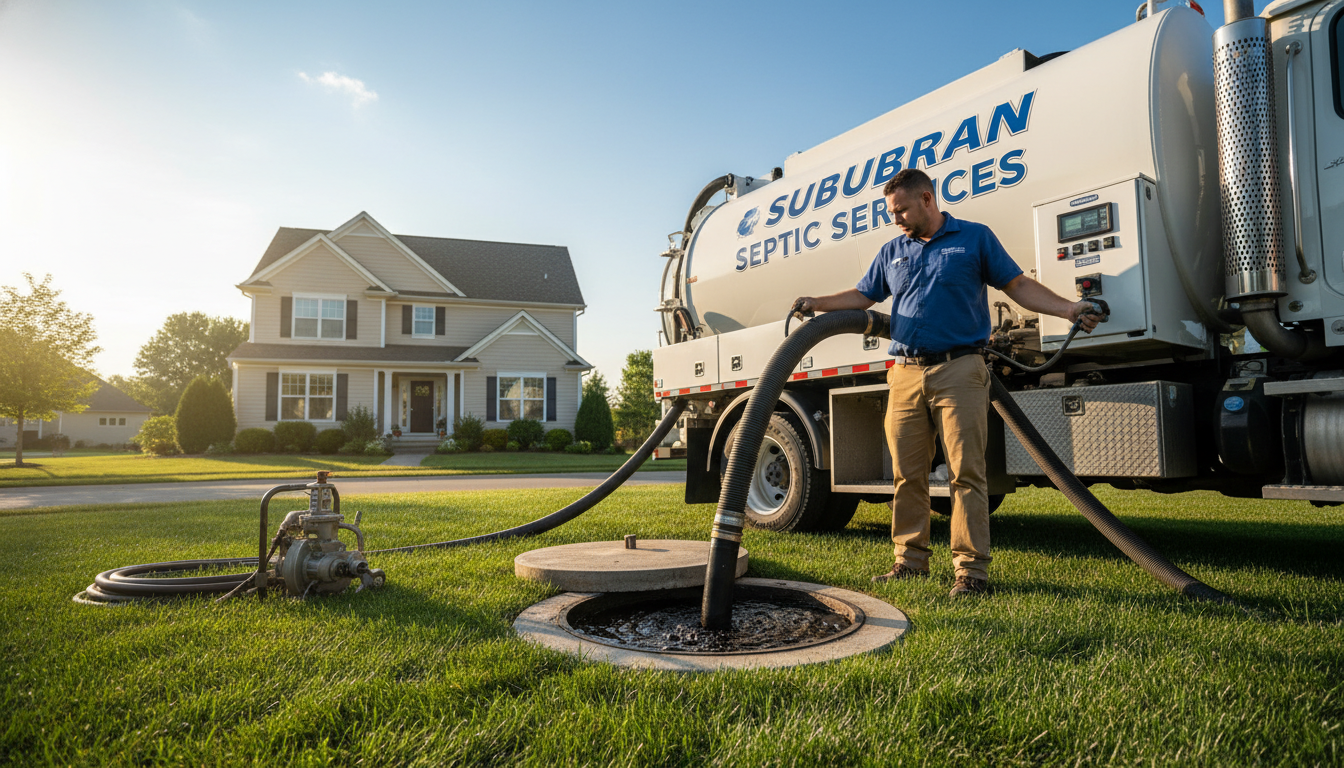
Expert pumping by pros like Septic Services of LA ensures thorough removal. They eliminate sludge and scum alike whilst inspecting for hidden problems. Their detailed service protects your investment.
| Good Maintenance Practices | Poor System Care |
|---|---|
| Prevents solids from reaching drainage field | Lets sludge obstruct the field |
| Keeps separation process working | Results in mixed waste and bad filtration |
| Prolongs tank life to over 25 years | Causes early breakdown |
| Avoids costly emergency repairs | Requires expensive drainage field replacement |
| Stops pollution of nature | Risks soil and groundwater pollution |
| Maintains property value | Creates lawn ruin and bad smells |
Scheduled cleaning stops solids from reaching areas meant solely for water. The drainage field cannot process solid materials. Should solids migrate, they cause clogs that are expensive to fix.
Overlooking this crucial upkeep is the primary reason for septic breakdown. Consequences are property damage, environmental harm, and potential legal penalties. Realizing why this chore is important helps homeowners see its importance.
Good stewardship must be a main focus for all homeowners. This is relevant no matter the tank dimensions or age. It secures your asset while ensuring efficient operation for many years.
By making this maintenance a priority, you maintain a healthy, functional wastewater treatment setup. You escape urgent issues and protect your house and nature. This understanding gives you the power to choose wise care options.
Comprehending Your Wastewater Setup: The Fundamentals
The route of domestic wastewater from your drains returning to nature involves three vital steps that every homeowner ought to know. This insight forms the foundation for correct maintenance and helps you identify problems prior to them becoming crises.
The majority of homes use a conventional gravity-fed setup. It relies on natural processes to process sewage securely.
The Major Elements: Container, Absorption Area, And Plumbing
Each septic system feature three interconnected parts operating in unison. Internal plumbing delivers all wastewater to the primary treatment chamber.
This encompasses all flow from toilets and sinks to baths and laundry units. A single main sewer line moves the liquid out of the home.
The treatment chamber itself is the place separation takes place. Solid matter sink to form a thick bottom layer while oils and lighter waste float to the top.
Partially treated liquid, known as wastewater, afterwards travels to the last cleaning zone. This drain field utilizes earth and naturally occurring microorganisms.
These good germs purify and scrub the effluent prior to it rejoining to groundwater. The entire process protects both your property and the surrounding environment.
Diverse materials and layouts affect how your setup functions. Cement and durable plastic are typical tank substances.
Certain tanks feature a single compartment whereas others utilize dual compartments for improved processing. An outlet baffle and filter serve a vital function in numerous contemporary systems.
The filter holds back debris inside the primary treatment area. It permits only semi-treated liquid to flow to the leach field.
Expert companies like Septic Services of LA can figure out your exact design. They provide personalized suggestions depending on your unit’s age, size, and design.
The Way Your Unit Treats Home Sewage
Every time you flush or drain a sink, the fluid starts a complex cleaning path. Initially, it travels down your drains to the buried treatment chamber.
In the vessel, natural bacterial action begins decomposing organic materials. Non-biological items and heavy grease won’t dissolve as readily.
These build up slowly and demand regular care. The separation process forms three separate layers inside the tank.
A clear middle layer of treated liquid forms between the sludge and scum. This fluid then flows to the drain field for last-stage purification.
The leach field, sometimes termed a leach field or lateral field, finishes the treatment. Soil microorganisms offer the last filtering step.
These microbes eliminate remaining impurities before water reenters the water table. This natural process is efficient when all components work properly.
Understanding this basic flow assists residents to recognize if things go wrong. Sluggish pipes or strange smells usually mean a issue in the treatment chain.
Regular maintenance of the outlet filter stops debris from escaping. This easy job protects your leach field from costly clogs.
Various tank types and styles have unique maintenance needs. Concrete may develop cracks over time while plastic can resist ground shifts better.
This foundational knowledge empowers you to choose wisely about care. You will more easily spot initial trouble signals and talk clearly with service techs.
Simple visual checks and mindful household habits boost your setup’s long-term health. They work alongside expert check-ups to stop big problems.
Defining Tank Layers: Bottom Sludge Versus Top Scum
People frequently ask what actually happens to waste after it leaves their pipes. It comes down to two distinct accumulations that form inside your underground wastewater treatment unit.
These layers form organically as part of the settling phase. Knowing their distinctions is vital for correct care and preventing major issues.
Understanding Sludge: The Heavy Bottom Sediment
The dense accumulation at the floor of your system is termed the sludge layer. It is made of heavy organic materials that drop out from household wastewater.
This contains tissue pulp, food particles, and various organic debris. These substances are denser than liquid, so they naturally sink to the bottom.
Naturally occurring anaerobic bacteria help digest parts of this waste. But, this bacterial action is sluggish and incomplete.
As years pass, the layer gradually thickens despite bacterial action. This reduces the available volume for proper wastewater treatment.
When this accumulation grows too close to the exit pipe, problems start. Sewage cannot separate properly, and debris may escape into the leach field.
Periodic checking helps determine when professional pumping is needed. This prevents blockages and protects your whole setup from harm.
The Top Zone: Oils And Floating Waste
Floating on the surface of the liquid is the scum mat. This accumulation is made up of substances lighter than liquid.
Fats, oils, greases, detergents, and some floating debris create this barrier. Numerous home cleaners add to its creation.
Unlike the sludge below, these materials are hard for bacteria to eat. They form persistent foams and mats that microbes cannot effectively process.
When this mat grows, it can block the entry pipe. It also hinders necessary venting within the treatment chamber.
Excessive scum buildup leads to several warning signs. Slow drains, gurgling sounds, and bad smells frequently happen.
See the differences of these two critical accumulations:
| Features of Sludge | Scum Properties |
|---|---|
| Accumulates at the base | Floats at the top of the liquid |
| Made of dense solid waste | Consists of grease and soap |
| Sinks because it is heavy | Rises due to low density |
| Partially broken down by bacteria | Does not break down easily |
| Measured from the bottom upward | Gauged from surface down |
| Causes problems when approaching outlet | Bad if it blocks entry |
Both layers need routine checks and expert care. Their growth rates depend on several household factors.
Number of residents, water consumption patterns, and trash habits all matter. What you flush or pour down drains directly affects accumulation speed.
Best habits that minimize both layers include:
- Using bacterial additives sparingly and appropriately
- Avoiding chemical drain cleaners that kill helpful bacteria
- Spreading laundry loads throughout the week
- Using and cleaning effluent filters
- Scheduling regular professional inspections
Knowing about sludge and scum gives owners control. It allows you to make informed decisions about care and recognize early warning signs.
This understanding helps you communicate effectively with septic techs. It also directs daily habits that protect your septic system asset.
Why Expert Tank Cleaning Is Mandatory
Trying to handle your home’s wastewater accumulation lacking expert skills risks your household’s safety and your home’s worth. This maintenance task is not simply draining a tank.
It demands managing toxic waste with specialized safety protocols. Licensed pros from companies like Septic Services of LA bring essential training and gear.
Heavy-duty pump gear completely evacuates all waste zones. Self-cleaning efforts often leave much of the waste, leading to recurring issues.
These hidden accumulations can cause total breakdown eventually. Septic failure results in costly sanitizing and repair costs.
Damages could reach your land or even a neighbor’s land. Sewage backups inside your home create health hazards and need expert cleanup.
The municipality can issue fines for improper waste management. Polluted surface waters violate environmental regulations and public safety codes.
The reason expert help delivers superior results compared to doing it yourself:
| Pro Service Advantages | Dangers of DIY |
|---|---|
| Safely manages toxic gases | Hazard of gas poisoning |
| Removes every bit of waste | Incomplete cleaning leaves material that causes quick refill |
| Checks for cracks and leaks | Overlooks signs of failure |
| Takes sewage to proper plants | Illegal dumping brings fines |
| Measures layers for best timing | Bad timing risks failure or waste |
| Keeps records for home sales | Lack of documentation can complicate home sales or claims |
| Maintains manufacturer warranty | Unapproved methods may void manufacturer protections |
| Offers 24/7 help | Homeowners lack equipment and training for urgent situations |
Routine checks every few years spot minor problems before they grow. Technicians examine outlet filters, check for structural problems, and test the leach field.
Their expert vision identify worries residents may overlook. Early detection stops minor issues from turning into catastrophes.
Proper waste disposal regulations require hauling waste to legal treatment plants. Certified pumpers handle this logistical challenge safely and legally.
They guarantee sewage keeps out of drinking water sources. This protects your land and the surrounding environment.
Investing in professional pumping is much cheaper than total breakdown. Complete drain field replacement costs thousands more than regular care.
Emergency repairs frequently run 3-5x more than regular service prices. Preventive care cuts costs and extends your system’s lifespan.
Companies like Septic Services of LA offer scheduled maintenance programs. These contracts ensure your tank receives attention on time.
Their knowledge considers household size, water usage patterns, and system age. This custom strategy boosts efficiency and prevents problems.
Service logs are useful during property transactions. Home purchasers value documented care of the septic setup.
Insurers may require maintenance proof for coverage. Local laws frequently require professional maintenance records.
If trouble starts—clogged pipes, odors, or soggy ground—their emergency services stop catastrophes. Fast action stops small problems from getting worse.
Expert tank pumping safeguards your money and your family’s wellbeing. It’s not an optional task but an vital part of owning a home.
Steps For Assessing Waste Levels In Your Tank
Doing a DIY check gives you useful insight about your wastewater treatment setup. This hands-on approach helps you understand when to call experts like Septic Services of LA.
Take these three actions to measure the waste in your tank. Put safety first and think about hiring pros if you’re uncomfortable.
Step 1: Safely Locating And Accessing Your Tank
The first step involves finding your underground tank. Check property records or look for sewer pipe exits from the house wall.
Ground-level indicators include lids, pipes, or patches of greener grass. Once located, carefully excavate around access lids if underground.
Take care not to damage parts or pipes. Always work with a partner and guarantee airflow while removing covers.
Dangerous fumes like sewer gas can be present. If you discover any cracks or leaks during access, mark them down for expert fixing.
Phase 2: Gauging The Floating Scum
The surface grease requires a specific measurement technique. You’ll need a long stick with a white cloth taped to the bottom.
Insert this scum pole into the liquid waste. Keep it in place and gently agitate it for 30 to 60 seconds.
The cloth gets dirty where it touches the grease. This stain shows the depth of the scum mat.
Match your findings to safety limits. The scum must not be within 3 inches of the outlet or exceed 6 inches thick.
Phase 3: Checking The Bottom Sludge
The dense bottom layer is checked another way. Use an L-shaped pole lowered through the scum layer until you feel resistance.
Mark this point on the pole where it hits the sludge. Then push the pole down until it reaches the floor of the tank.
Mark this second point. The distance between your two marks indicates the sludge layer thickness.
This accumulation must not exceed one-third of the tank depth. Nor should it get closer than 12 inches of the exit baffle.
Record both measurements in a maintenance log. This objective data helps determine when pumping is necessary.
| Self-Inspection Parts | Professional Inspection by Septic Services of LA |
|---|---|
| Basic visual assessment of access area | Deep dive into system health |
| Manual measurement of scum and sludge layers | Accurate digital measurement |
| Limited ability to detect structural issues | Identifies broken baffles |
| You don’t pump waste | Full tank cleaning and hauling |
| Check filter if reached | Deep clean of filters |
| Danger of gas and falls | OSHA compliant safety |
| Unofficial notes only | Valid maintenance proof |
Most systems benefit from yearly looks. Tiny units or families with higher water usage may need checks more often.
These measurements tell you when to schedule professional pumping. Calling before waste gets too high prevents drainage field damage.
Keep in mind Septic Services of LA can perform these inspections for you. Their skill ensures accurate assessment and early problem detection.
This proactive approach makes your tank last. It also protects your property from flooding and ground contamination.
Crucial Care Duties: Baffle Clearing And Optical Reviews
Many homeowners focus only on emptying times, missing two key jobs that prevent typical breakdowns. These easy inspections save your drainage field and save you from expensive emergencies.
The unit has a built-in guardian that prevents debris from escaping. Keeping this part clean is as important as regular emptying for long-term health.
Combined with a careful look at the structure itself, this routine creates a full maintenance strategy. It extends the time between professional services and gives you peace of mind.
How To Find, Remove, And Clean The Outlet Baffle Filter
This vital part is located in the exit or second chamber of your tank. It acts as a final sieve, catching particles before liquid flows to the drainage area.
Find it by looking for a handle or a brightly colored piece inside the tank. Newer systems often make this part easy to identify and access for service.
Put on rubber gloves and use proper tools when handling the filter. Watch out for the dangerous fumes and don’t drop tools into the tank.
Once removed, clean it with a powerful spray from your garden hose. You can also dunk it in a pail of water to loosen debris.
Direct all rinsed waste material back into the septic hole. Don’t use bleach, as they kill the good bacteria inside.
Check the filter for damage, splits, or permanent clogs during cleaning. A damaged filter cannot do its job and must be replaced.
Pros suggest checking and cleaning this component yearly or bi-yearly. A blocked screen stops water flow, which can cause backups.
If you hate this job, companies like Septic Services of LA provide professional filter maintenance. Their staff ensure it’s done safely and thoroughly.
Checking For Damage, Seepage, And Tank Integrity
While the tank is open for screen washing, take a moment to spot other issues. A visual check can reveal early issues that are cheap to fix now but costly later.
Examine the tank sides, dividers, and pipe connections carefully. Look for tiny fractures, rot, or evidence of leaking.
Check the inlet and outlet pipes for clogs or misalignment. Proper flow through the system is essential for efficient operation.
Walk around the outside of the buried structure for signs. Signs of water infiltration or effluent leakage in the soil are major warnings.
Soggy ground or unusually lush grass over the area usually means a leak. This kind of damage can pollute the water table and requires urgent professional repair.
It’s wise to have the entire tank and plumbing unearthed for a full inspection every few years after the first 5-10 years of service. This proactive step spots concealed problems.
Write down issues you discover with descriptions and pictures. Share this information with a licensed pro for an accurate assessment.
Septic Services of LA provides full tank exams in their package. Their experience can find faults that regular people might miss.
Pairing filter cleaning with periodic visual checks creates a strong defense against system failure. This knowledge empowers you to keep a healthy, functional wastewater treatment setup for your property.
Knowing When To Hire Pros: Service Timelines And Alerts
The difference between regular care and costly disaster is usually about recognizing the right signals quickly. Understanding when to book vs calling for help protects your home and wallet.
This insight changes you from a passive owner to a proactive system manager. You’ll learn to interpret your tank’s signals via obvious signs.
Ideal Cleaning Frequency Based On Load
Ignore standard dates. Your service timeline should be based on measurable facts regarding your home. This custom method guarantees performance and prevents problems.
Four main things decide how often your unit needs attention. These include its capacity, how many people live in your home, water usage, and waste levels.
A standard 1000-gal tank serving a family of four typically needs expert cleaning every 3-4 years. Tiny tanks or bigger families require service sooner to work right.
Follow these rules to book a truck at the right moment:
- Book a clean-out when the sludge layer reaches one-third of the unit’s depth
- Call a pro if sludge is 12″ from of the exit
- The scum layer means pump now if closer than 3″ of the baffle
- Any grease layer over 6″ deep requires immediate attention
Routine checks annually or bi-annually provide the data you need. These tests measure layer thickness and spot problems fast.
| Usage Factors | How Often To Pump | Key Measurement Triggers |
|---|---|---|
| Avg tank, avg family | Every 36-48 months | Sludge at 12″ from outlet or ⅓ depth |
| Small tank, large family | 2 to 3 year intervals | Grease near exit or 6″ deep |
| Big tank, small family | Every 48-60 months | Yearly check data |
| Garbage disposal in regular use | Pump 1 year sooner | More rapid sludge accumulation |
| Lots of laundry/showers | Pump much sooner | Less settling time |
Critical Warnings: Overflow, Stench, And Field Problems
Certain alerts need instant expert help. Overlooking these signals leads to home damage and health risks that are expensive to fix.
Waste backing up into toilets, showers, or sinks is a clear emergency. This shows the whole system is broken.
Stench inside your home or near the tank signal major issues. These smells won’t resolve without expert fixing.
Slow-draining fixtures throughout your home point to tank trouble. One slow sink could be a clog, but many slow drains point to the treatment unit.
Bubbling noises in pipes after flushing indicate trapped air. This occurs when wastewater cannot flow properly through the system.
Puddles forming or unusually lush grass over the drainage field suggests absorption failure. Leaking sludge block the dirt, preventing proper treatment.
During any emergency situation, stop using water in your home. Then contact professionals like Septic Services of LA to prevent further damage.
Their crisis crew responds quickly to diagnose and resolve emergencies. Call them at (555) 123-4567 for routine service or emergency situations.
Documenting all service and checks builds a history. This shows maintenance when selling and may be required by the city.
Understanding these schedules and signs enables you to make smart decisions. You’ll know when to plan routine service vs calling 911 for septic.
Habits To Reduce Septic Waste Accumulation
Simple changes in how you use water and dispose of waste can significantly extend the time between pump-outs. The finest maintenance for your underground wastewater setup occurs daily inside your home.
Consistent habits protect your investment and prevent emergencies. They help scheduled professional services for complete protection.
Experts like Septic Services of LA stress four main rules. These include regular checks, water efficiency, proper disposal, and drainage field care.
Conscious Water Use And Trash Habits
The volume of water used daily impacts your septic tank. Excessive volume floods the settling time.
This forces solid materials toward the drainage area where they don’t belong. Smart conservation allows time to settle properly.
Implement these water-wise practices to keep the system stable:
- Fix dripping faucets and running toilets at once
- Put in low-flow heads and flow restrictors
- Spread laundry loads throughout the week
- Run appliances only when full
- Avoid letting water run unnecessarily during tasks
What you put down drains matters just as much as water volume. Your disposal choices can save or destroy the helpful microorganisms inside.
The microbes require a safe home to eat waste effectively. Some cleaners disrupt their delicate environment.
Limit chemical cleaners, antibacterial soaps, and bleach-based products. Choose eco-friendly options whenever you can.
Don’t dump cooking oils, fats, or grease in the sink. These items solidify and create thick barriers that bacteria cannot process.
Overusing the disposal introduces fine food particles. This builds up sludge faster than bacteria can work.
Items To Never Flush Or Drain
Your toilet and sink drains are not trash cans. Lots of regular things cause instant clogs or damage over time.
Non-biodegradable materials don’t break down in your treatment unit. They pile up and need pumping sooner.
Set strict rules about what never enters your plumbing:
- Feminine hygiene products and applicators
- Baby wipes, even those labeled “flushable”
- Dental floss, cotton swabs, and hair
- Cigarette butts, medications, or condoms
- Paper towels or tissues
- Cat litter, even the flushable varieties
- Paint, solvents, or automotive fluids
- Coffee grounds, eggshells, or produce stickers
These things block everything. They cause jams that lead to backups and expensive repairs.
Certain liquids destroy the microbes needed to eat waste. Without these microorganisms, sludge builds up fast.
| Good Practices | Bad Habits |
|---|---|
| Low-flow fixtures | Showering while washing clothes |
| Laundry over several days | “Laundry day” overload |
| Fixing leaks within 24 hours of discovery | Ignoring leaks |
| Jarring grease for disposal | Grease down the drain |
| Green cleaners | Pouring bleach down drains |
| Composting food scraps when possible | Overusing the disposal |
| Providing trash cans in all bathrooms | Using toilets for trash disposal |
These proactive measures aid professional services. Companies like Septic Services of LA can review your usage.
They provide personalized recommendations using your family size and water usage. Their knowledge guides you that save your tank.
Regular inspections every few years confirm that your daily practices are effective. Technicians check waste levels and adjust recommendations as needed.
Proper care protects your drainage field from dying early. It also saves money by extending pump intervals.
Note that your entire wastewater treatment setup needs balance. What you do indoors directly affects what happens underground.
Consistent, mindful habits are the foundation of trouble-free operation. They complement expert service for complete system health.
Conclusion: Ensuring A Long-Lasting, Trouble-Free System
The actual expense of septic maintenance is not in routine service, but in the catastrophic failure that ignoring it ensures.
Partnering with experts like Septic Services of LA for professional pumping and inspections is your best bet. This cost pales in comparison to the thousands needed for new leach fields or major repairs.
Combine their expertise with your own vigilant habits for a total plan. Proper waste disposal and water conservation reduce buildup between service visits.
Keep detailed records of all work to track your system’s health through the years. A cared-for system can give years of smooth service.
View this care not as an expense, but as essential protection for your property and the neighborhood. By following this guide, you ensure safety for years to come.
Related: This Website About Septic Pumping: What To Know About Access Lid Upgrades