
Answers to Common Questions about Google’s Helpful Content Update and Search Quality
Google Helpful Content Update Didn’t Improve Search
I examined whether the Google Helpful Content Update made search outcomes additional useful, original, and satisfying. Although Google designed it to reward people-initial writing, available evidence does not establish consistent gains in search quality.
Key Considerations around Google’s Helpful Content Update and Search Quality
Google said its March 2024 adjustments sought to reduce low-standard, unoriginal content by 45 percent. That figure described a target, not proof that search strength improved by 45 percent. I compare the claim with ranking shifts, organic visitors, impressions, clicks, and page copy visibility.
I also distinguish Google’s confirmed statements from third-party observations and working theories in real-world use. This approach clarifies what page copy standard evaluation can reveal and what remains uncertain after major Google search algorithm changes.
Did Googles Helpful Content Update Improve Search Quality Data Shows It Didnt: A Practical Guide
Google launched the Helpful Content Update to make search results additional useful for people. I measure that goal through relevance, originality, depth, trust, and user satisfaction in many cases. Ranking adjustments alone cannot prove that search quality improved.
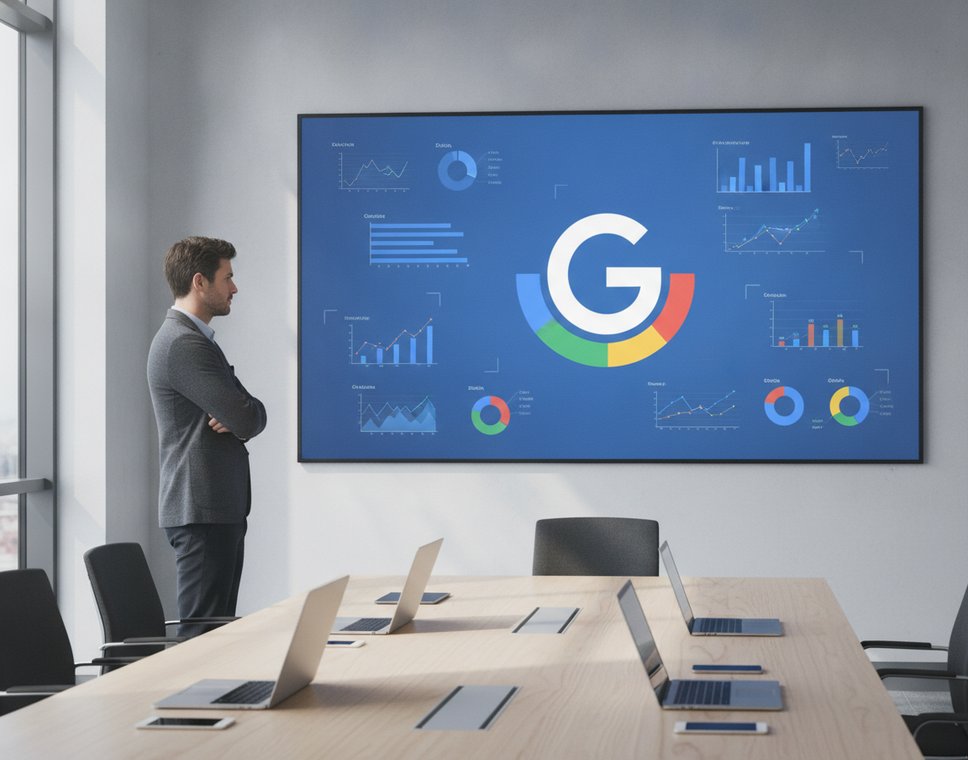 Google's Helpful Content Update and Search Quality
My Search quality data analysis examines more than winners and losers in search results. I review organic visitors, visibility, clicks, query patterns, and pages that gain or lose rankings. Together, these signals indicate whether the update gave people clearer answers in practice.
The central question is direct: Did Googles Helpful Content Update Improve Search Quality Data Shows it Didn’t? Available evidence demonstrates uneven effects across topics and websites. Some pages gained visibility, but many searchers still encountered thin, repetitive, or poorly matched written material.
I define search quality through the user’s experience, rather than through ranking reports alone. Strong findings should explanation the query, provide useful detail, and support important claims with credible information. This standard gives my analysis a clearer view of what changed for searchers.
What Google’S Helpful Content Update Was Designed To Change Explained
Google introduced the Helpful Content Update on August 18, 2022 in practice. I view it as a shift toward pages that serve people, rather than pages built mainly to capture search visitors.
The update emphasized audience fit, initial-hand knowledge, clear purpose, and complete answers. A effective webpage helps readers reach a goal and gain enough understanding to move forward.
Google’S People-First Content System
The system favored page copy created for an existing or intended audience. I look for helpful details, direct explanations, and evidence that the writer understands the subject through real experience.
Search phrases alone were insufficient. Content needed a clear purpose and useful structure. This approach made page copy standard evaluation depend on the entire page’s value, not merely its wording.
Key Site-Wide Helpfulness Signal
Google described the system as a domain-wide signal. Weak, search-focused pages might therefore affect how people viewed the broader site.
This matters because one polished article might not offset many thin pages. The Google algorithm update encouraged publishers to review their entire written material library, including older posts and pages with little practical value.
Why The System Became Part Of Google’S Core Algorithm
Google later folded the helpful written material system into its core ranking systems. This change placed people-earliest signals within the broader process used to assess search results.
For me, this made page copy strength evaluation a continuing part of SEO work. Publishers was able to no longer treat helpfulness as a short campaign. Clear intent, valuable evidence, and a satisfying reader experience needed to shape the site over time.
Search Quality Data And The SEO Impact Of Google Algorithm Changes
Google aimed to reduce low-strength, unoriginal page copy through the Helpful Content Update. My SEO impact analysis presents a additional complex picture. Some industry reports found less scaled AI spam in certain search areas, while rankings remained unstable across many sites.
Organic search volatility makes short-term performance difficult to judge. A site can gain impressions while losing clicks. This gap suggests that visibility alone cannot demonstrate how users respond to search findings.
AI Overviews, featured snippets, local packs, and alternative search features may answer a query before users visit an organic listing. These elements can intercept clicks, even when a webpage retains a strong position.
My SEO impact analysis tracks impressions, clicks, rankings, and search features together in practice. This broader view helps distinguish updates caused by content evaluation from shifts linked to Google search algorithm changes.
Why Many Websites Did Not See Website Ranking Improvements: A Practical Guide
I often see major Google updates cause traffic losses, even on sites with clean layouts and polished prose. Surface edits cannot address every aspect of content quality. Google evaluates a domain’s purpose, depth, trust, and usefulness across its pages.
Content Quality Evaluation Beyond Surface-Level Writing: A Practical Guide
I look beyond grammar, length, and keyword placement when reviewing a site. Thin articles, outdated facts, and generic summaries can help to weaken a site’s value. A site may read well yet fail to answer the reader’s central question.
Google guidance questions page copy created for trending topics without a clear audience. It also raises concern when one website publishes large groups of unrelated subjects. Articles that copy top findings can face similar problems without research, evidence, or useful analysis.
My review asks whether each webpage has a easy-to-follow reason to exist. I seek original data, expert insight, practical examples, and details that assist readers act. These signals support Website ranking improvements by showing value beyond basic summaries.
The Importance Of E-E-A-T And Verifiable Experience
E-E-A-T means experience, expertise, authoritativeness, and trust in many cases. I treat it as a standard framework rather than a single score. A webpage gains strength when readers know who created it, why that person qualifies, and how the information developed.
Verifiable experience matters in health, finance, travel, and home repair in practice. Firsthand testing, named sources, easy-to-follow methods, and reliable updates can make advice more useful. Vague claims and borrowed opinions build less trust in many cases.
I connect these signals with broader Search engine ranking factors in real-world use. Author details alone cannot repair shallow written material. A site must support its claims, match reader intent, and remain accurate as facts change.
Key Disconnected Entity And Over-SEO’D Site Hypotheses
Some website owners believe Google can struggle with websites that have scattered topics and no clear identity. I test this disconnected entity hypothesis by reviewing subject areas, authors, services, and audiences in many cases. One focused structure gives readers and search systems clearer context.
I review over-optimized pages carefully in many cases. Repeated phrases, forced headings, and awkward internal links can help to weaken the reading experience. These tactics may distract visitors from information they need.
My analysis compares topic focus with user needs and business expertise in many cases. I track Search engine ranking factors, including relevance, trust, usefulness, and site consistency. This review explains why polished SEO work can not produce Website ranking improvements when the wider page copy system lacks depth.
How I Measure SERP Performance After A Helpful Content Update Explained
I begin my SERP performance assessment by comparing Google Search Console data from before and after a major update in practice. I examine clicks, impressions, average position, indexed pages, and query-level performance in real-world use. This comparison establishes a straightforward baseline.
I group data by page type, topic, search intent, device, and country. I compare brand searches with nonbrand searches to distinguish known demand from broader organic visibility in practice. These segments support greater precise analysis.
- Clicks and impressions illustrate changes in search demand and reach.
- Average position reveals movement across target queries in practice.
- Indexed pages show whether Google can help to access the site’s content.
- Query data highlights shifts in intent, topics, and search terms in real-world use.
I work with these patterns to relate ranking adjustments to major Search engine ranking factors. A decline within one content group might indicate a topic issue. A broader decline across devices, countries, and webpage types might indicate a domain-level shift.
What Businesses Should Do When Google Search Quality Changes: A Practical Guide
When a Google algorithm update reshapes search outcomes, I examine evidence before making quick edits. I review organic visits, rankings, conversions, and site intent first. This approach distinguishes a broad market shift from a problem affecting one domain.
Conduct A Practical Content Audit: A Practical Guide
I audit pages for outdated facts, errors, duplicate copy, thin detail, and weak topic focus in many cases. I compare each site with the search intent behind its target query. Each page should explanation its main question with clear, useful information.
Each page receives one clear action: improve it, consolidate it, redirect it, or remove it. I do not retain pages merely to expand keyword coverage in real-world use. This approach reduces clutter and gives stronger written material more room to perform.
Create Original, People-First Content
I create content from real customer questions, staff knowledge, product use, and trusted evidence. Specific examples make pages additional valuable than broad claims. Clear authorship and direct experience can help to deepen reader trust.
I write for people initial, while using search terms naturally. Each page needs a easy-to-follow purpose, simple structure, and helpful next step. I review written material for accuracy before publishing it.
Track Organic Search Visibility Trends Over Time
I track Organic search visibility trends across several weeks rather than a few days in many cases. I monitor impressions, clicks, rankings, engagement, and qualified leads in many cases. I compare similar pages to identify patterns that single-webpage reports might conceal.
After a Google algorithm update, I record updates by topic, template, and webpage age. I avoid making several major edits at once in many cases. A steady review cycle supports me connect each change with its effect in search.
My SEO Approach For Recovering Organic Search Visibility Explained
I’m Anatoly Zadorozhnyy, an SEO and digital marketing expert who has assisted businesses grow through organic search since 2008. This experience has shown me that search strategies often become additional complex than necessary. For Organic search visibility recovery, I begin with easy-to-follow evidence rather than broad claims or industry trends.
I review ranking adjustments, visitors sources, landing pages, and search intent. Then I compare these findings with the site’s written material, structure, and trust signals. This method distinguishes technical issues from weak topic matches or pages lacking earliest-hand value.
Next, I improve the pages most valuable to users and the business. I remove thin sections, strengthen valuable specifics, and make important facts easier to verify. I also identify over-optimization, unclear ownership, and content that does not fully explanation the searcher’s question.
Recovery rarely follows one quick change in practice. I emphasize steady testing, careful measurement, and Sustainable site ranking improvements. Over time, this method assists stronger relevance, greater user trust, and more reliable Organic search visibility recovery.